
Success story
Modern SCADA without stopping production in an oil processing plant
Context
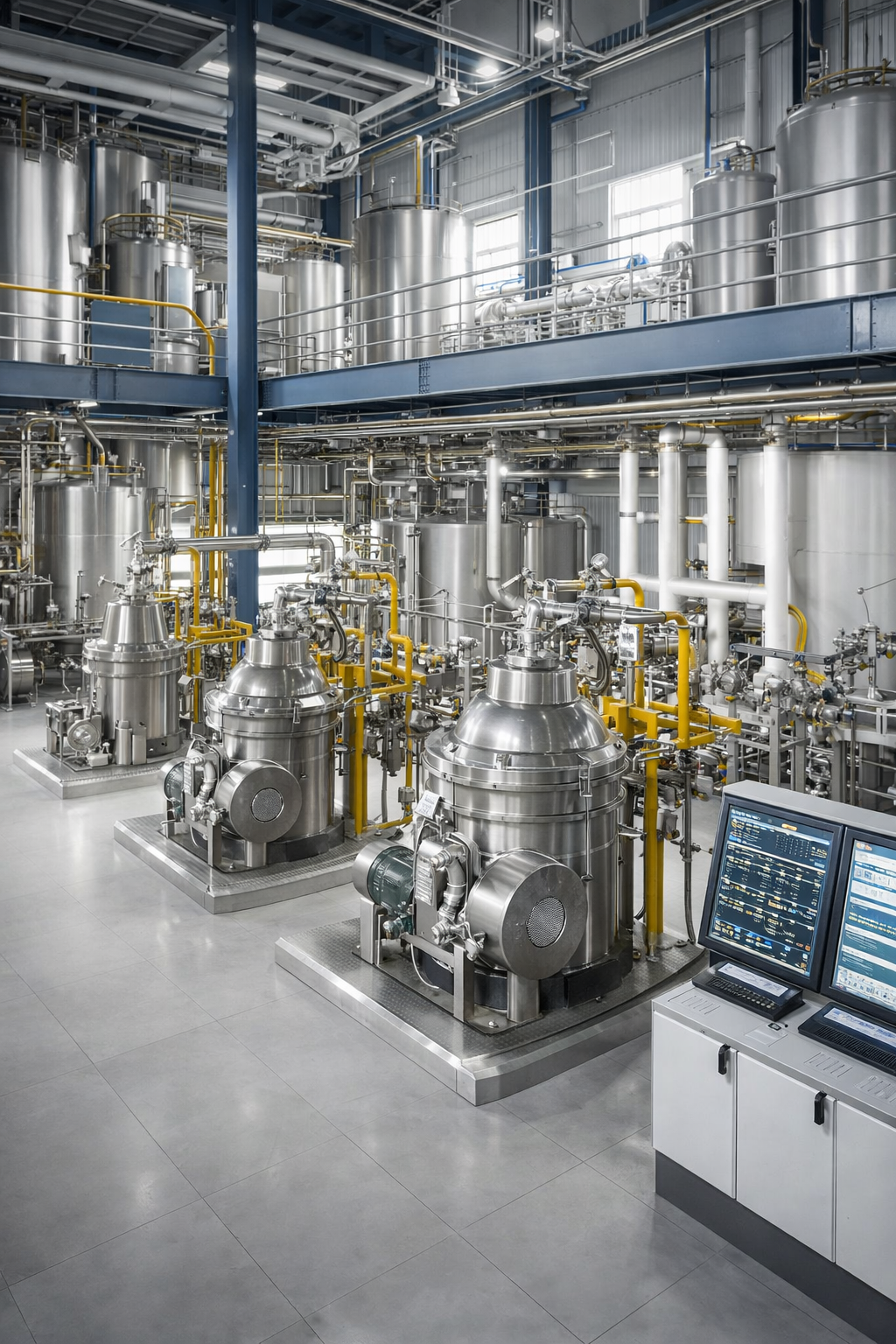
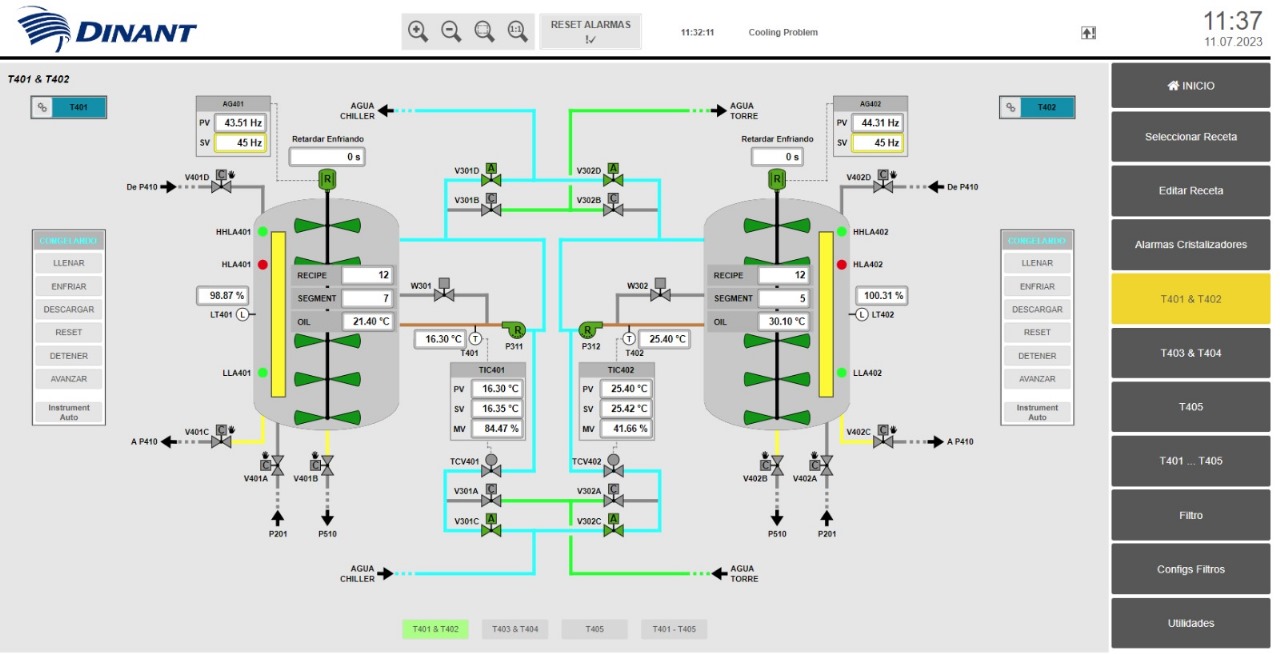
DINANT, a leading consumer goods company in Central America, was operating with an obsolete, fragmented, and unsupported SCADA system that limited operational visibility and plant evolution. The challenge was clear: modernize and unify the system without stopping production . Together with EES Corporation, they implemented an atvise® SCADA-based solution that fully transformed operations while keeping the plant running throughout the entire process. “Initially we were concerned about the difficulty due to the short timeframe and the fact that we could not stop production, but in the end the implementation was agile and exceeded our expectations” Maintenance Engineer, DINANT
The challenge
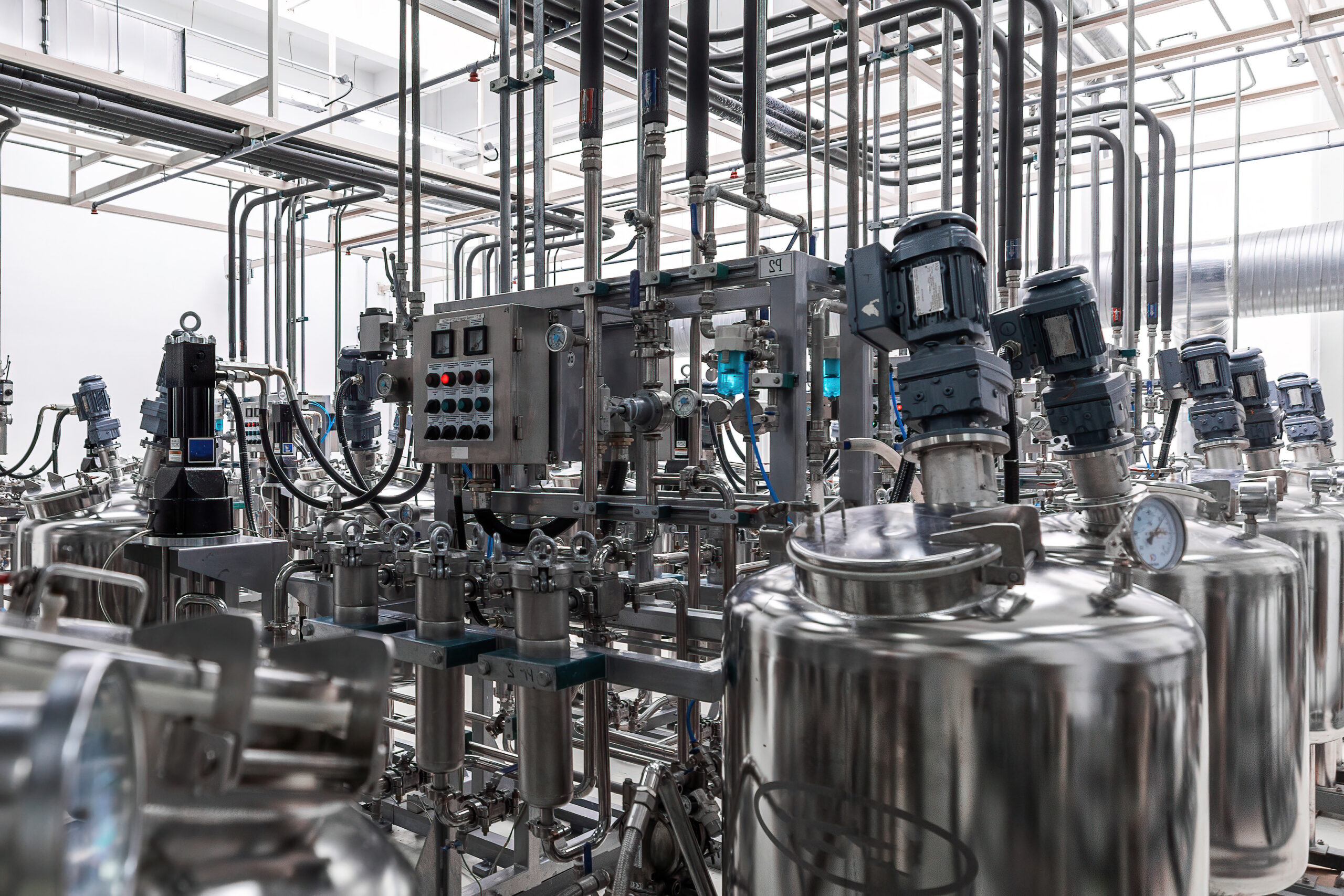
- System unification: integration of two production lines into a single operational environment
- Centralization: unlimited tags, historization, and alarms included as standard
- Secure remote access: visualization from any device via web browser, with no client installation required
- Flexibility: custom recipes adapted to Siemens PLCs
- Standardization: implementation of ISA 101.01 to improve operator experience and reduce errors
The results
- Challenges of migrating an obsolete SCADA in a production environment
- How to execute a migration without stopping the plant
- Key decisions to unify systems and improve operations
- Short- and long-term benefits
- How to prepare your plant for future integrations and growth
Download the case study and discover how atvise® SCADA can transform your plant’s operational efficiency.


Download atvise® SCADA for free and try the software for 30 days
Download the software now
Partner
EES Corporation, a company specialized in industrial solutions with extensive experience in integrating Siemens PLCs in demanding production environments. Their practical approach and technical expertise were key to successfully executing the migration in continuous production.